Date: 11/11/2025
Data Breach
How to Respond to a Data Breach: Steps and Responsibilities
Learn how to effectively respond to a data breach. Discover a practical step-by-step plan to mitigate damage, comply with reporting obligations, and strengthen your security.
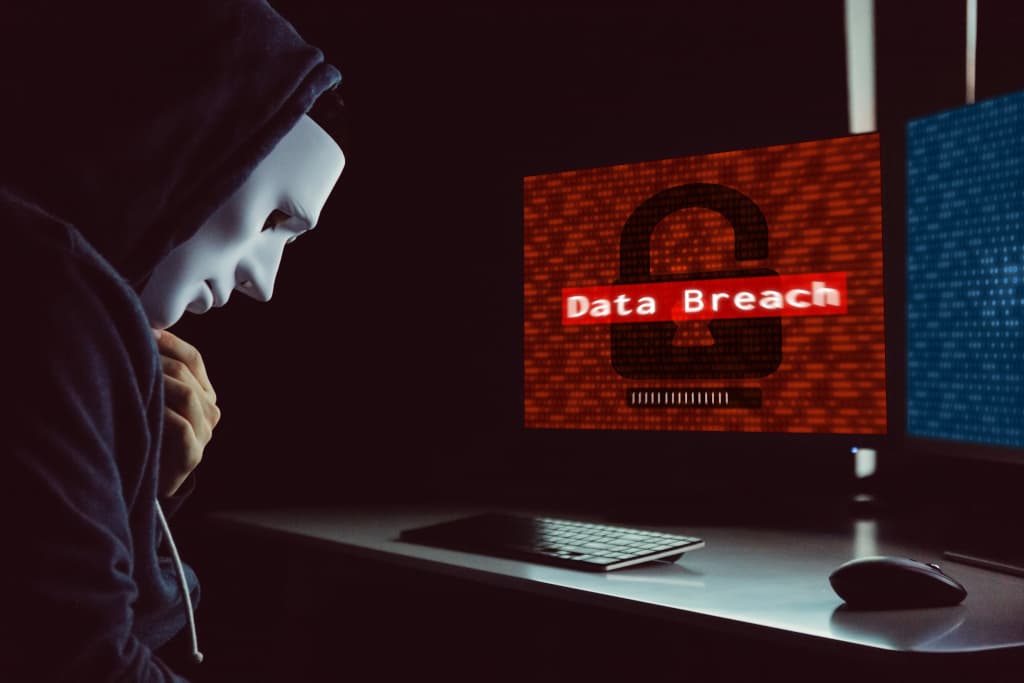
TL;DRA data breach can lead to reputational damage and fines, but if you act quickly and thoughtfully, you can minimize the impact. |
What is a Data Breach?
- Hacking: Cybercriminals infiltrate systems and steal data.
- Human errors: Such as an email containing sensitive information sent to the wrong recipient.
- Lost or stolen devices: Think of unsecured laptops or USB drives that go missing.
- Insufficiently secured systems: Poor configurations or inadequate protection of databases and cloud storage.
Step-by-Step Plan for a Data Breach
- Identify the breach: Determine which data has been leaked, who is affected, and how the breach occurred.
- Limit the damage: Prevent further exposure by temporarily disabling systems and changing passwords.
- Report the data breach: Report the incident within 72 hours to the Data Protection Authority and inform affected individuals if their privacy is at risk.
- Investigate the cause: Analyze how the breach occurred, evaluate internal processes, and identify areas for improvement.
- Strengthen your security: Implement measures such as encryption, Multi-Factor Authentication, and regular security audits to prevent future incidents.
Practical Steps You Can Take Immediately
- Detect suspicious activity: Notice an unusual email or system error? Report it immediately to IT or security.
- Change your password: If your account may have been affected by a breach, set a strong new password immediately.
- Inform the right people: Accidentally sent sensitive data to the wrong person? Contact them immediately and request the information be deleted.
Prevention is Better than Cure
- Regularly back up data: Test backups to ensure quick recovery in case of an incident.
- Keep software up to date: Install security updates as soon as they become available.
- Minimize data storage: Store only what is necessary and securely delete old data.
Want to better protect your business from data breaches and cyber threats?
Contact us now.
Get in touch